.png)
The Third Pillar: Why Profit Keeps Us Farming

Over the last few weeks, we’ve been sharing the framework we use to make decisions at Millsap Farms. When visitors come to the farm—whether for a school tour, a farm workshop, or pizza night—I often explain that we try to evaluate every decision through the lens of three P’s: Planet, People, and Profit.
Today, let’s talk about the third pillar: Profit.
Sometimes people are surprised to hear a sustainable farm talk openly about profitability, but the truth is simple: if a farm isn’t profitable, it won’t be farming for very long. Financial sustainability is every bit as important as environmental stewardship and caring for people. If the business fails, we can’t continue growing food, caring for the land, or providing jobs.
One example is how we heat our greenhouses.
Many growers rely heavily on large propane heaters throughout the winter. We’ve chosen a different approach. Rather than trying to maintain summer-like temperatures in January, we grow crops that are naturally suited to cooler conditions—lettuce, spinach, carrots, and other cold-hardy vegetables. We provide supplemental heat when needed, often using wood-fired furnaces and modest amounts of propane, but we avoid the expense and risk of keeping the greenhouse excessively warm.
This decision affects more than just our fuel bill. It also reduces risk. If a severe cold snap arrives, cold-tolerant crops can handle temperatures that would devastate tomatoes, cucumbers, and other heat-loving plants. By waiting until spring sunshine can provide most of the heat those crops need, we’re able to produce food more efficiently and with less financial risk.
Another example is our CSA program.
One of the things we love about Community Supported Agriculture is that it creates a genuine partnership between farmers and members. When you purchase a CSA share, you’re investing in a season of healthy food for your family. At the same time, you’re providing the operating capital that allows us to purchase seeds, compost, fuel, supplies, and labor before the harvest begins.
Many farms rely on loans or lines of credit to cover those expenses. Because of your support, we can begin much of our season using funds that have already been invested in the farm by the people we grow for. That stronger financial footing helps us focus our energy on growing great food rather than worrying about debt payments.
In a business as unpredictable as farming, that’s a tremendous gift.
We hope you’ve enjoyed this short series on the three pillars that guide our farm: Planet, People, and Profit. While the examples may change from year to year, the framework remains the same. We want to care for the land, care for the people involved in the farm, and build a business strong enough to keep doing both for many years to come.
Thank you for choosing us to be your farmers.
– Farmer Curtis
Green Beans (Nature’s Family Farm)
Nature’s Family Farm is an Amish farm near Conway run by John Henry Slabach, with the help of his young family. He is a hard-working, quick-learning, and studious young man. We love buying these organically raised green beans from him, because it supports the sort of world we want to live in: thoughtful stewardship of land by families linked by community bonds and a working land ethic. They are high quality, fresh, and delicious. If you haven’t tried roasting green beans, you’re missing out; they get even better when roasted.
Cherry Tomatoes
Millsap Farms has focused for years on producing really flavorful cherry tomatoes. We love growing them, eating them, and sharing them. If you don’t eat all of them before you get home, you can always make a delicious caprese salad, or put them on kabobs, or chop them up into some tabouli salad… but you might need two, because it’s our experience that we can eat at least one pint per twenty minutes in the car…
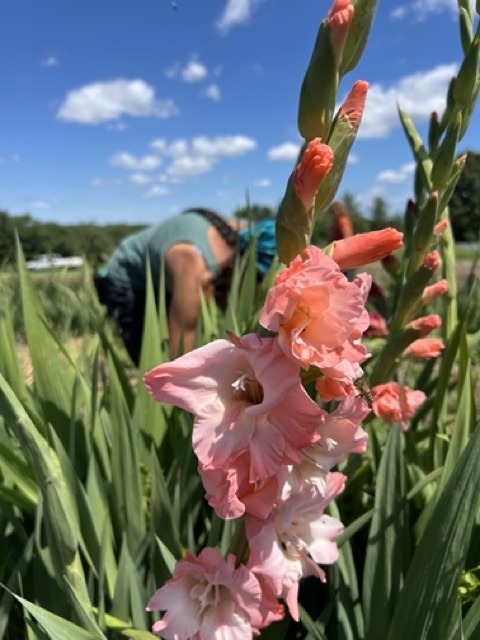
2026 Millsap Farms Flower Add-On Share
A fresh bouquet with each delivery. Simple, joyful, and beautiful.
Garlic Herb Roasted Vegetables
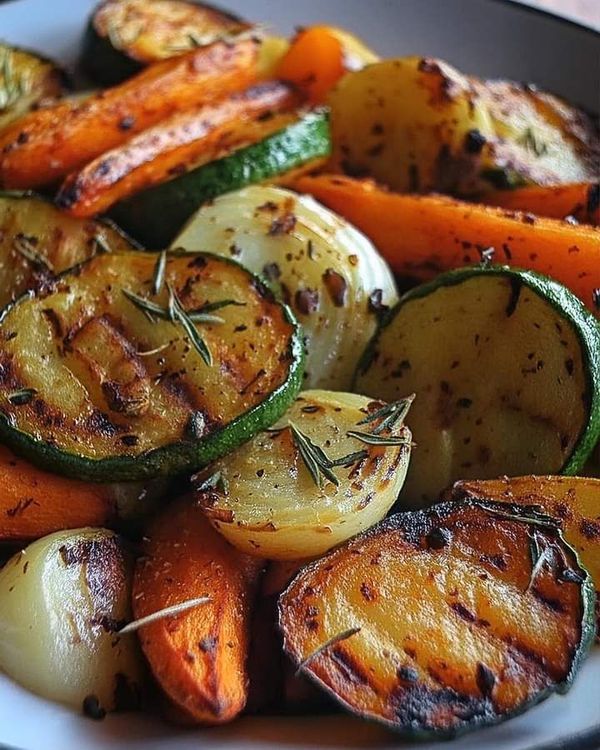
Ingredients
Prep time: 10 mins | Cook time: 45 mins | Servings: 6 people
2 cups red potatoes, diced
2 zucchini, sliced
2 onions, sliced
6 tablespoons olive oil
4 cloves garlic, minced
Salt and pepper to taste
2 tablespoons lemon juice
4 tablespoons fresh parsley, chopped
Instructions
1. Preheat your oven to 400°F (200°C). Line a baking sheet with parchment paper.
2. In a large bowl, toss the red potatoes with olive oil, salt, and pepper. Spread them evenly on the prepared baking sheet and roast for 20 minutes.
3. In the same bowl, combine sliced zucchini and diced onion. Toss with olive oil, salt, and pepper. Add to the baking sheet with the potatoes and roast for another 20–25 minutes until all vegetables are tender and golden brown.
4. While the vegetables are roasting, in a small bowl whisk together minced garlic, lemon juice, and parsley. Pour over the roasted vegetables and toss to coat.
5. Serve warm. Adjust seasoning with salt and pepper if needed.