.png)
The Three P's, Part One: Planet

A Little Housekeeping
Before we get to this week’s farm story, a quick note.
We’re constantly trying to balance two goals: providing you with excellent produce while making responsible use of the resources entrusted to us. As a result, you may occasionally receive vegetables that aren’t perfectly uniform or picture-perfect. We believe there is a place in a sustainable food system for carrots that are a little crooked, tomatoes with minor blemishes, or greens that don’t quite meet supermarket beauty standards.
What we never intentionally compromise on is flavor and eating quality.
In fact, you are one of our best quality-control tools. If you ever receive something that disappoints you, please let us know. We genuinely want the feedback. Whether it’s a storage issue, a quality problem, or simply something we could have handled better, we want to hear about it. Our goal is always to provide food that we’re proud to feed our own family, and your input helps us continue improving.
The Three P’s of Sustainable Farming
Part 1 of 3: Weeding Before Planting
People often visit our farm to see a sustainable farm in action, whether as part of a school tour, a grower workshop, or pizza night. When they arrive, I usually begin with a quick introduction: first-generation farm family, 25 acres, farming here for 19 years, about 3 acres in vegetables and flowers, more than 35,000 square feet of covered growing space, a 250-member CSA, Farmers Market of the Ozarks, restaurants, and a mighty crew helping make it all happen.
Then I explain that we try to make decisions through the lens of what I call the Three P’s of Sustainability: Planet, People, and Profit.
This week, let’s start with the first P: Planet.
When most people think about organic or sustainable farming, this is usually what comes to mind. We don’t use synthetic fertilizers, herbicides, or pesticides. Instead, we focus on building healthy soil, growing healthy plants, rotating crops, and encouraging diversity.
One of my favorite examples is how we manage weeds in our salad garden.
Each season begins by forming raised beds with a tractor. The raised beds improve drainage and make harvesting easier by bringing the crop closer to waist height. We then apply organic fertilizer and spread about an inch of compost, either produced on the farm or purchased locally.
Next comes the interesting part.
We water the beds thoroughly and then cover them with a thick black tarp.
At first glance, that might seem backwards. Why would we water a bed we’re not even planting yet?
The answer is that we’re trying to wake up the weeds.

The tarp provides two of the three things weed seeds need to germinate: warmth and moisture. Thousands of dormant weed seeds begin sprouting beneath the tarp. But when those tiny seedlings emerge, they encounter complete darkness. Without sunlight, they quickly exhaust their stored energy and die.
Two to four weeks later, we peel back the tarp and find a remarkably clean seedbed ready for greens, radishes, carrots, and other direct-seeded crops.
Even better, we repeat this process after each crop cycle. Every time we do, we reduce the number of viable weed seeds in the soil. Over time, beds that once required extensive hand weeding become surprisingly clean.
In effect, we’re weeding the soil before we ever plant the crop.
The result is fewer weeds, less tillage, less soil erosion, and no herbicides. It’s a simple technique, but one that illustrates how we try to work with natural systems rather than against them.
That’s good for the planet—and good for the people who eat from it.
Next week we’ll take a look at the second P, People, and how that principle influences everything from farm design to employee schedules to the way we welcome visitors onto the farm.
– Farmer Curtis
Want to Get Your Hands Dirty? Join Us for a Workday!
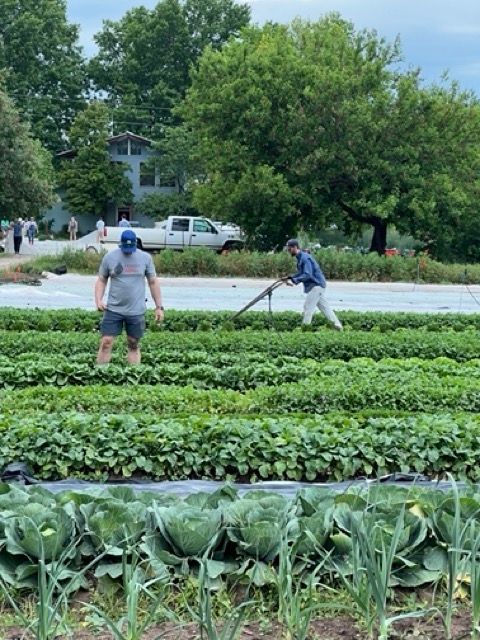
One of the unique things about CSA is that it gives members an opportunity to connect with the source of their food. Whether you’re curious about how vegetables are grown, want to spend a few hours outdoors, or simply enjoy working alongside fellow CSA members, we’d love to have you join us.
We host member workdays every Monday and one Saturday each month throughout the season. Tasks vary with the time of year and may include harvesting, weeding, planting, washing vegetables, trellising tomatoes, or any number of other farm projects.
No experience is necessary—we’ll teach you everything you need to know. Bring a hat, water bottle, and clothes you don’t mind getting dirty.
Many of our members tell us that after spending a few hours on the farm, they never look at a bunch of carrots or a basket of tomatoes quite the same way again.
If you’d like to participate, keep an eye on your email for upcoming dates and details, or simply reach out and let us know you’re interested. We’d love to work alongside you!
Cabbage, Napa (Chinese Cabbage)
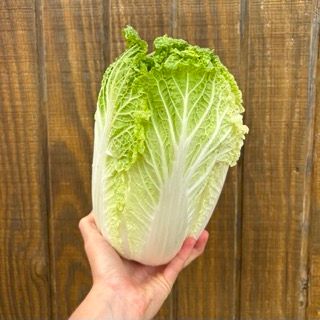
If you haven’t tried Napa, it’s something you should get on your menu… it’s a delightfully crisp, fresh, and healthy salad green, that holds well (like several weeks) in your fridge. You can slice what you want off it for topping tacos, making ginger slaw, adding to a stir fry, or just enjoying with a little salad dressing.
Roasted Summer Vegetable Medley
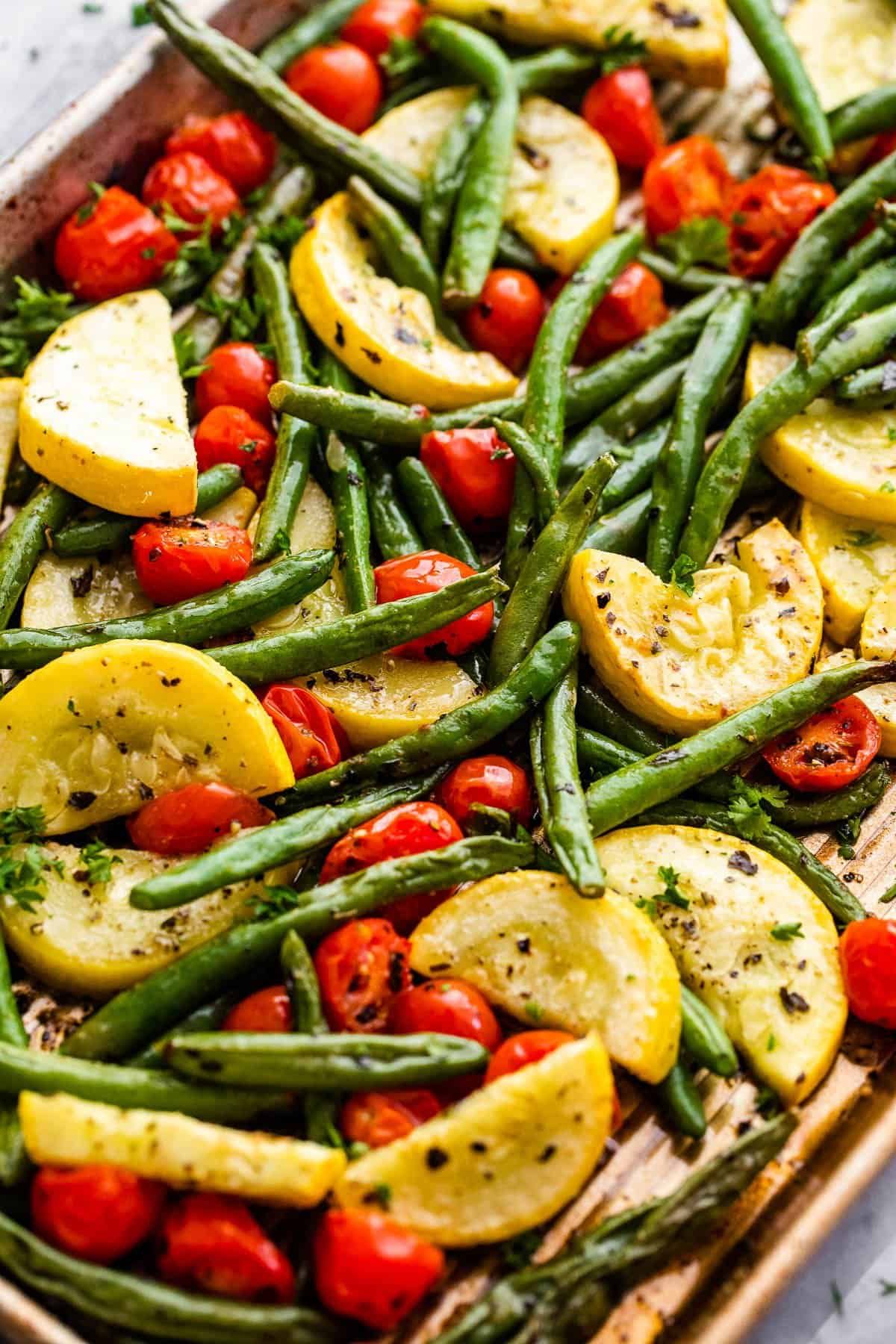
Ingredients
Prep time: 10 mins | Cook time: 25 mins | Servings: 4 people
2 cups cherry tomatoes, halved
1 cup green beans, trimmed
1 zucchini, sliced
2 tablespoons olive oil
2 cloves garlic, minced
Salt and pepper, to taste
1/4 cup fresh basil, chopped
Instructions
1. Preheat the oven to 375°F (190°C).
2. In a large baking dish, toss sliced cherry tomatoes, green beans, and chunks of zucchini with olive oil, minced garlic, salt, and pepper.
3. Bake the vegetables in the preheated oven for about 25 minutes, or until they are tender and slightly charred around the edges.
4. Once cooked, sprinkle chopped fresh basil over the top.
5. Serve the roasted vegetables warm as a delightful side dish or mix them into your favorite pasta.